Known for its concentrations of electrolytes, vitamins, and minerals, coconut water has swept the nation. From yoga studios to vending machines, you can buy the tropical drink just about anywhere.
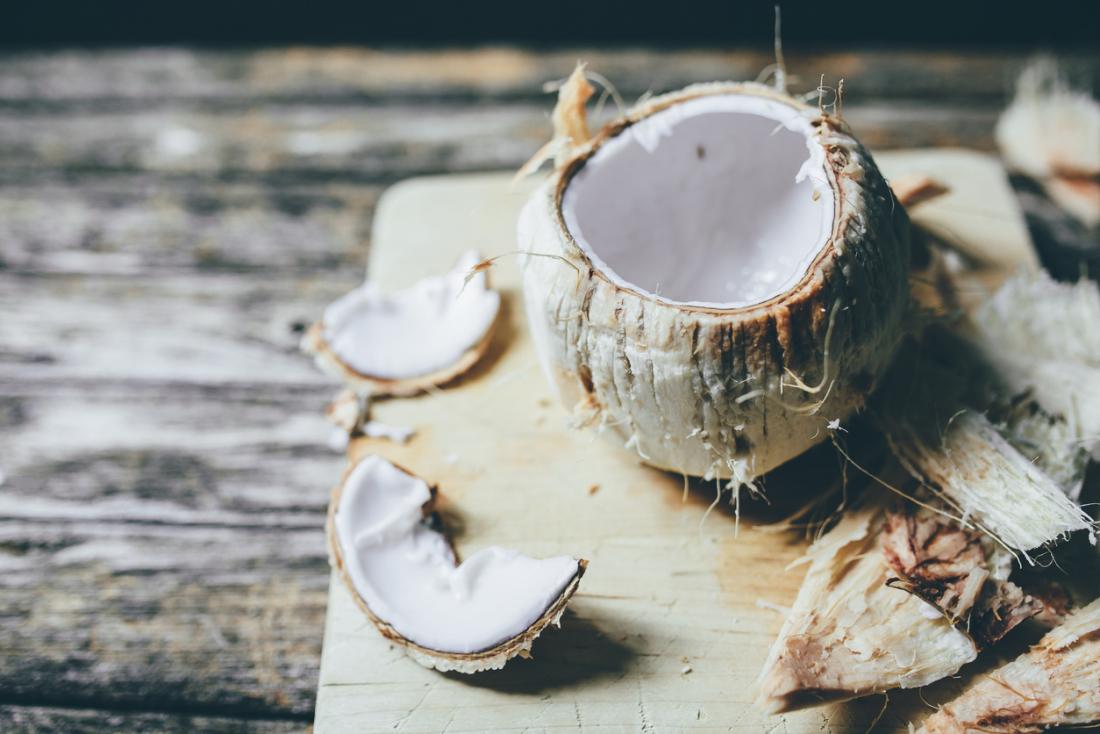
Coconut water is made from the clear liquid inside of green coconuts. It’s not to be confused with coconut milk, which is made from the water and the flesh inside of a mature coconut. Over 95 percent of coconut water is water.
Despite its recent explosion in popularity, coconut water has been consumed for centuries in tropical regions around the world. In traditional Ayurvedic medicine, coconut water is believed to help digestion, urination, and even semen production. It has also traditionally been used to treat dehydration and given as ceremonial gifts throughout the tropics. While it may not be a miracle cure, it does have many health benefits.
Coconut water’s natural electrolytes make it a solid match for traditional sports drinks like Gatorade. Made without added sugar, food coloring, or artificial sweeteners, many people reach for coconut water as a more natural performance drink.
Studies have shown that coconut water can perform just as well as a traditional sport’s drink to keep you hydrated and help replenish fluids after a run. However, coconut water has less sodium, the main electrolyte you lose with sweat, than most sport’s drinks. It also has fewer carbohydrates than many drinks meant for endurance performance. This means it might not give you enough energy for a long bout of exercise (greater than 90 minutes), but it will help you rehydrate afterward.
While coconut water doesn’t help you rehydrate any better than water or traditional sports drinks after exercise, a study found that it was easier to drink enough without causing nausea or an upset stomach. The researchers also recommend avoiding coconut water with added sugars because they prevent proper hydration and add unnecessary calories.
With only 45 calories in a cup, coconut water is a great substitute for higher calorie drinks like sodas or juice, according to the Academy of Nutrition and Dietetics. Coconut water has less sugar and carbohydrates than most juices. It also has more minerals and electrolytes like sodium and potassium. However, for casual sipping, it still can’t compete with zero calorie water.
Comments
Post a Comment